
Overview
Forested mountains meeting Lake Tanganyika in Tanzania’s remote west. This practical guide explains what makes Mahale Mountains special, when to travel and how to include it in a well-paced Tanzania itinerary.
Why Visit Mahale Mountains?
Mahale Mountains offers a distinct sense of place rather than simply another stop on a checklist. Its signature experiences include wild chimpanzees, forest walks and lake activities. Our team recommends allowing enough time to explore at a natural pace, respond to current conditions and enjoy quieter moments between headline sightings.
- Distinctive landscapes and locally appropriate wildlife experiences
- Private guiding with time for observation and photography
- Flexible routing within a tailor-made Tanzania journey
- Accommodation selected for location, service and value
Top Experiences and Wildlife
Signature encounters
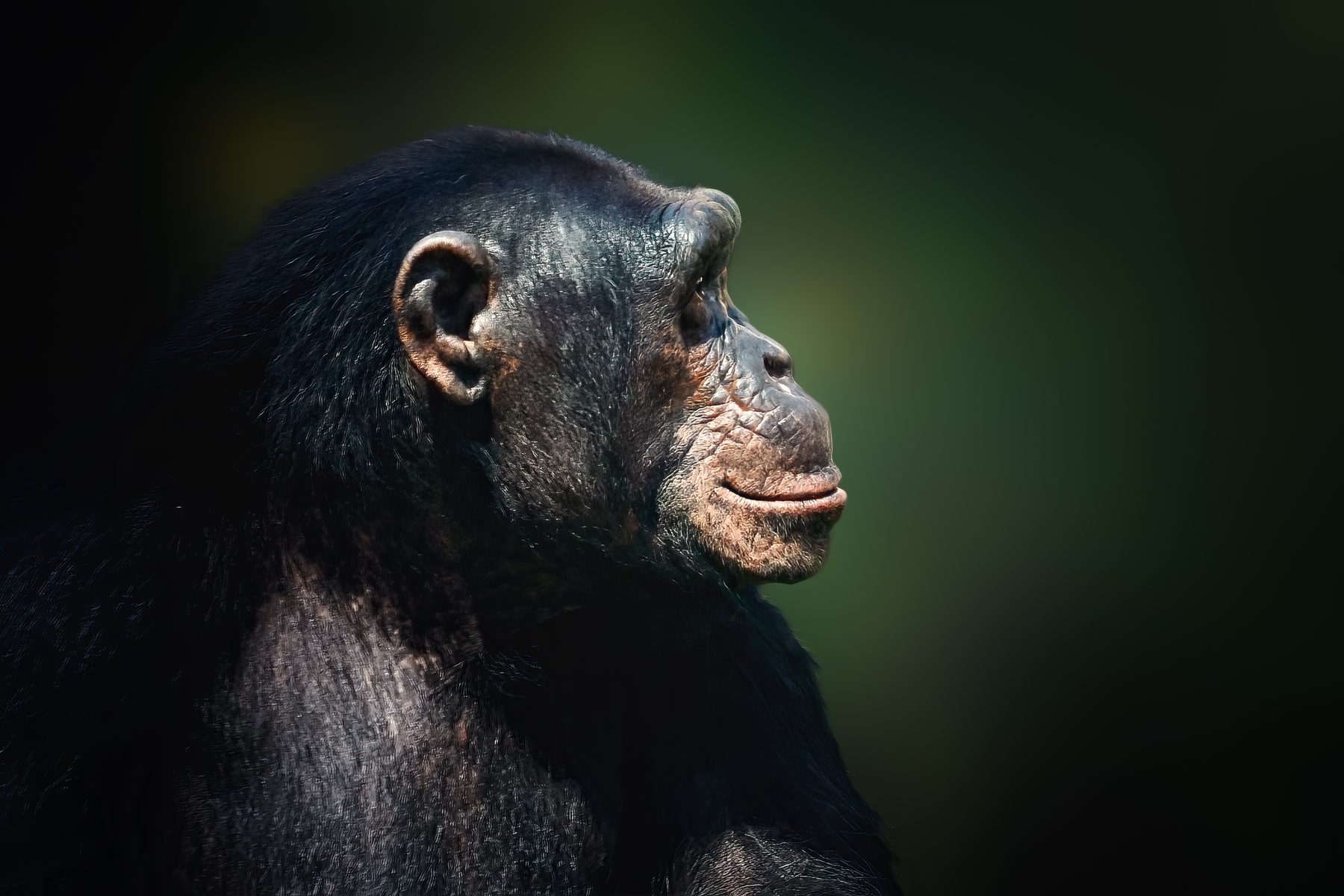
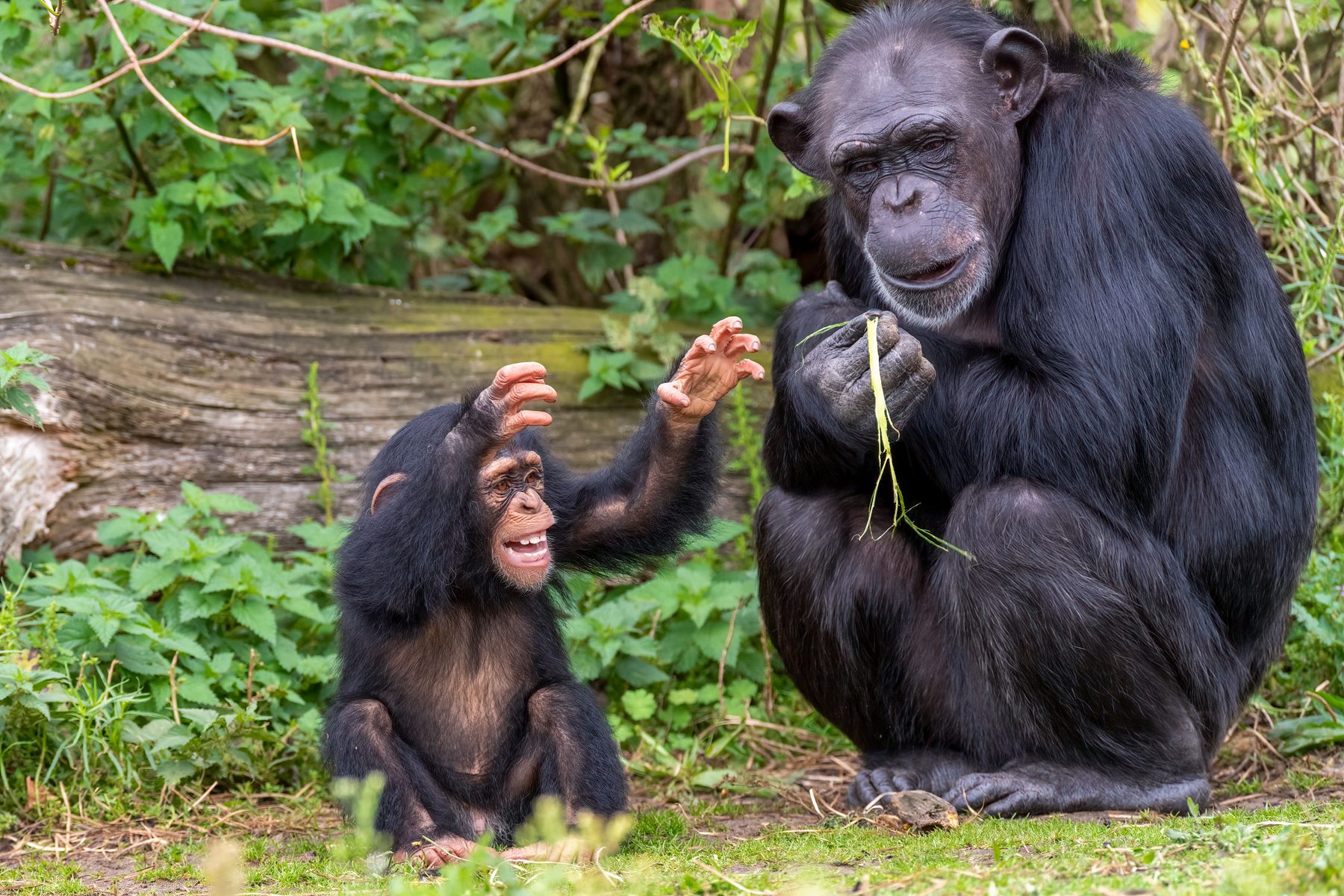
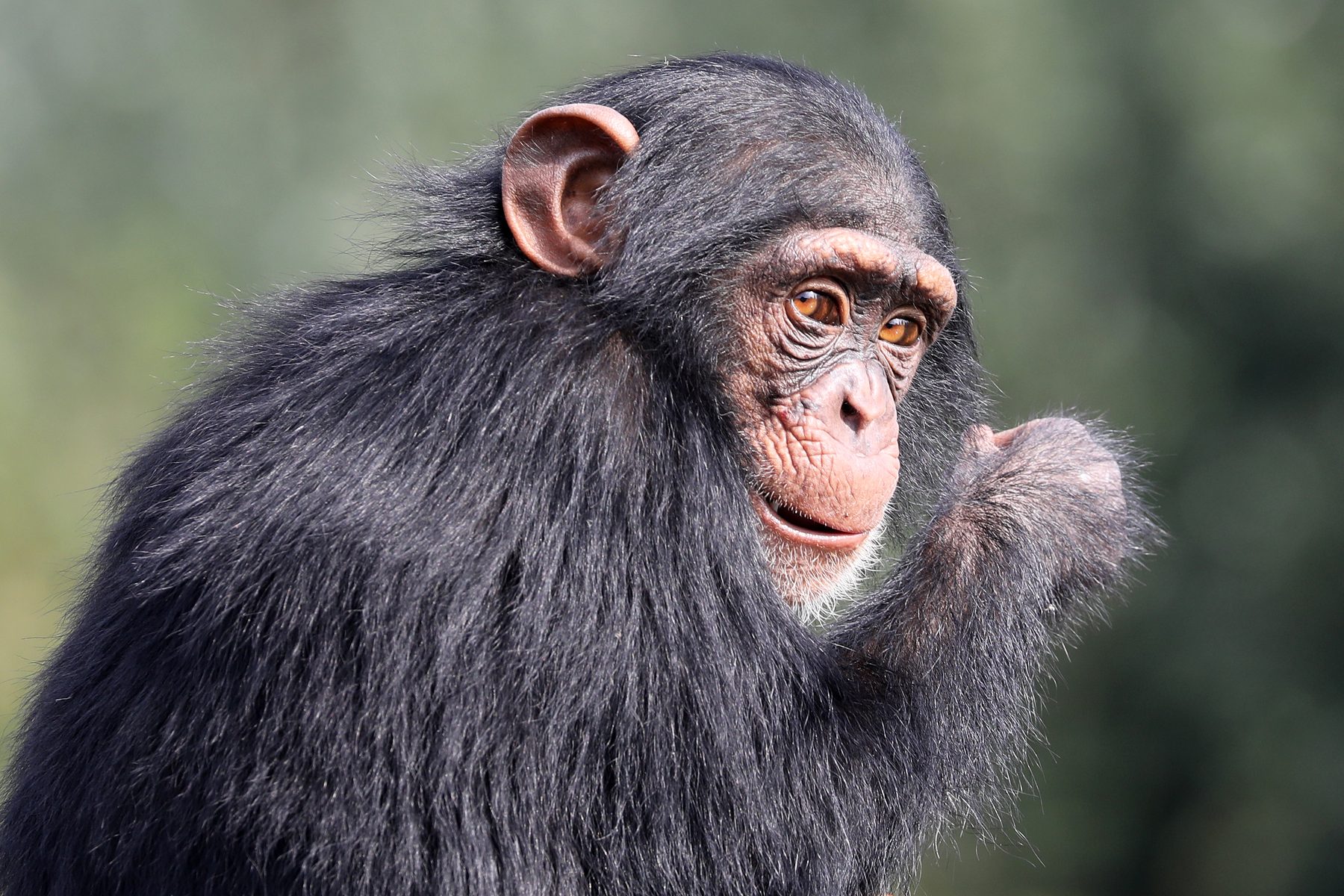
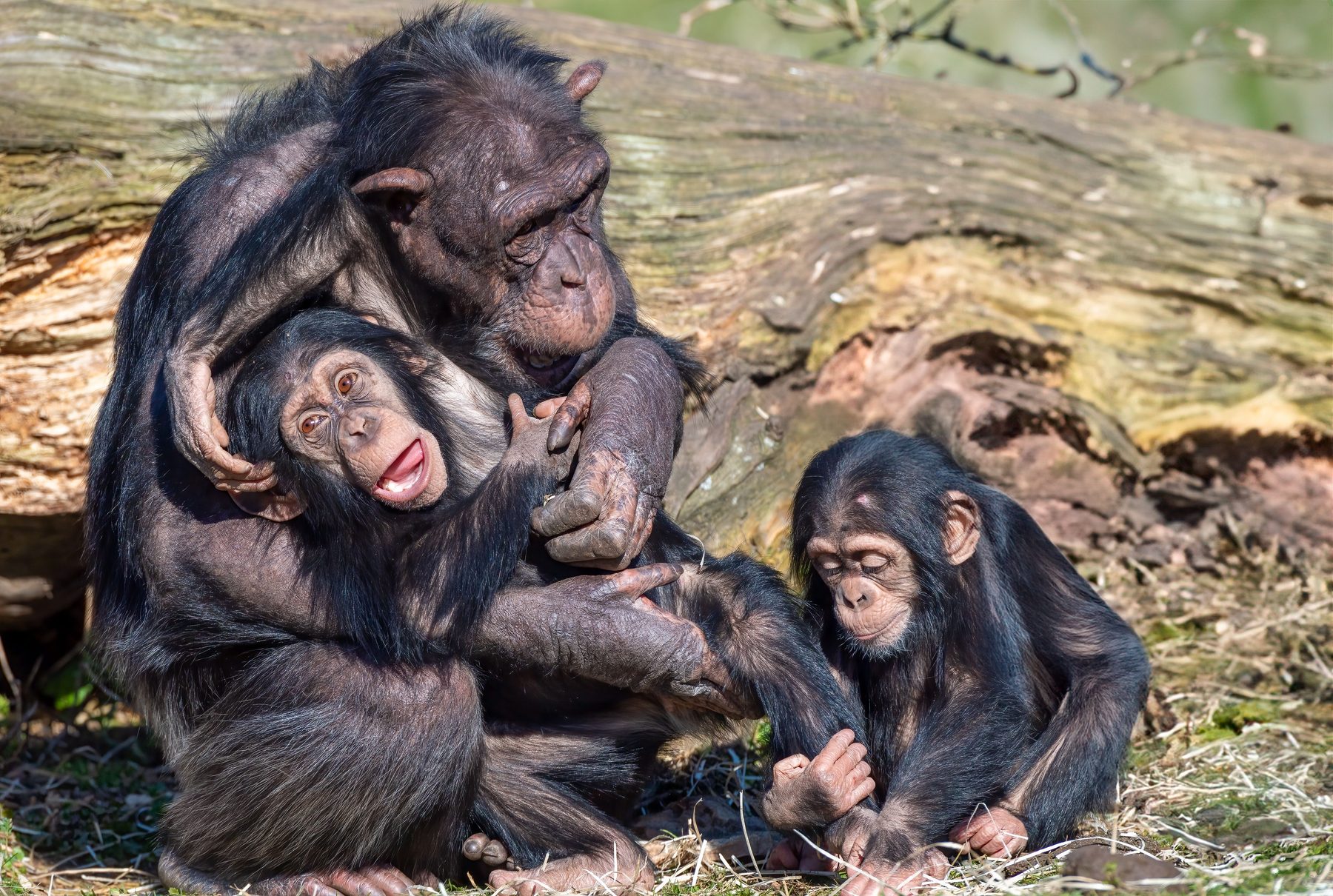
The area is especially known for wild chimpanzees, forest walks and lake activities. Exact sightings remain wild and seasonal, so ethical guides focus on interpreting behaviour and habitat rather than promising a fixed checklist.
Landscape and photography
Morning and late-afternoon light reveal the destination at its best. Bring binoculars, protect cameras from dust or humidity, and allow time for wider landscape photographs as well as close wildlife portraits.
Travel with a local guide
A knowledgeable guide connects tracks, calls, geology, plants and community history into one coherent story. This is often what turns an enjoyable visit into a meaningful one.
Best Time to Visit
Seasonal overview: June-October is popular for chimpanzee tracking. Weather patterns are increasingly variable, and the best timing depends on wildlife priorities, preferred crowd levels and the wider route. Green-season travel can offer excellent birdlife, dramatic skies and value even where dry months are more famous.
Getting There
scheduled or charter flight followed by boat transfer. We plan transfers as part of the full itinerary, accounting for road conditions, air schedules, luggage restrictions and realistic rest time.
Accommodation
Options vary by destination and may include lodges, permanent tented camps, seasonal camps, simple guesthouses or fly-in properties. We recommend stays based on location first, then match comfort and price to your preferences. A well-located mid-range camp can sometimes deliver a better safari rhythm than a distant luxury property.
Who Is This Destination Best For?
Mahale Mountains is particularly well suited to chimpanzee tracking, remote luxury and active travellers. Tell us about children, mobility requirements, photographic priorities, dietary needs and ideal daily pace so we can recommend the right stay and number of nights.
Responsible Travel
Follow park and community rules, keep a respectful wildlife distance, avoid litter and single-use plastics, and ask before photographing people. We favour experienced local guides and established suppliers, and we encourage travellers to spend longer in fewer places when possible.
Planning Mahale Mountains Into Your Safari
The strongest itinerary balances travel time with meaningful time on location. Contact our Arusha team with your dates, group size and interests. We will explain current conditions, suitable connections and accommodation choices without altering or committing you to a pre-set package.
Frequently Asked Questions
How many nights should I stay?
The answer depends on access time and the wider route. Remote destinations generally justify at least three nights, while some northern stops work well with one or two. We will recommend a pace based on your actual itinerary.
Are sightings guaranteed?
No. Wildlife is free-ranging, seasons vary and responsible operators never guarantee a particular sighting. Good guiding and suitable timing improve the possibilities.
Wildlife Highlights
- Guided treks to habituated wild chimpanzee groups
- Lake Tanganyika beaches — the world's longest freshwater lake
- Pristine, largely untouched rainforest wilderness
- A genuinely off-the-beaten-path addition to a Tanzania trip
- Excellent freshwater snorkelling among endemic cichlid fish
Things to Do
- Game drives and guided walks
- Photography and storytelling
- Cultural encounters
- Pair with another Tanzania destination
Best Time to Visit
May–October is the dry season and the easiest time for chimp tracking, with clearer forest trails. The wet season brings lush scenery but tougher, muddier hiking conditions.
Gallery
Where to Stay
Beach & forest tented camps